
Noticias · 2 min · 17/06/2026
Mars Reaches 100% Renewable Electricity in U.S. Operations
Snacking, food, and pet care products provider Mars announced a new sustainability milestone, reaching 100% […]
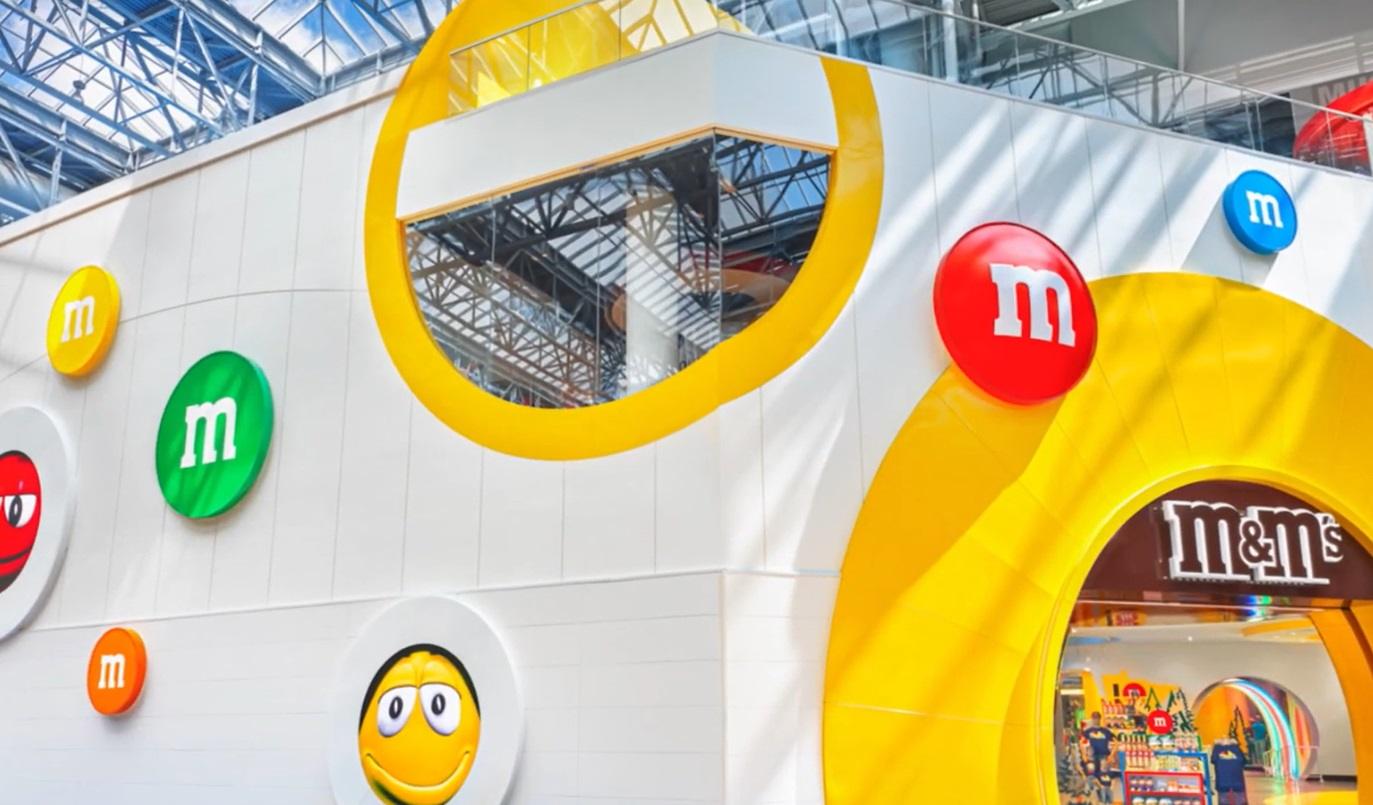
Snacking, food, and pet care products provider Mars announced a new sustainability milestone, reaching 100% renewable electricity for its U.S. operations, including factories, offices and veterinary hospitals.
Mars announced the renewable energy achievement alongside the release of its 2025 sustainability report, which also revealed that the company surpassed its 2025 Scope 1 and 2 emissions goal, but missed its Scope 3 target, despite reporting its largest one-year value chain emissions reduction in 2025.
The new clean energy milestone follows the launch by Mars in 2025 of its Renewable Acceleration (Racc) program, aimed at accelerating the shift from fossil fuels to clean energy across the company’s operations and its global value chain by sourcing contracts supporting the development of renewable energy projects to serve both Mars and its suppliers. Mars anticipates that the Racc program could reduce emissions by around 3 million tonnes, or roughly 10% of the company’s footprint by 2030.
One of the key deals signed under the Racc program is a contract with Enel North America to support three new solar projects in Texas, expected to generate approximately 1.80 TWh of renewable electricity annually, to support Mars’ operations and its suppliers.
Mars CEO Poul Weihrauch said:
“Reaching a milestone of 100% renewable electricity in our direct U.S. operations – from factories to offices, from veterinary hospitals to diagnostic labs – it’s something to celebrate and be proud of. Building a resilient business includes access to clean and accessible energy, farmers that are not at the mercy of extreme weather events and communities that thrive across our full value chain.”
Mars released a Net Zero Roadmap in 2023, outlining its action plan to achieve its net zero by 2050 goal, and establishing a target to cut carbon emissions across its full value chain in half by 2030, with initiatives planned to reach its targets including transitioning to renewable energy, as well as redesigning supply chains to stop deforestation, working with farmers on regenerative agriculture and other smart agriculture initiatives, and improving and optimizing logistics.
In its new report, Mars announced that it has achieved a 42.6% reduction in Scope 1 and 2 GHG emissions against a 2015 baseline, outperforming its target of 42% by 2025. The company also said that it reduced emissions in its full value chain by 6.4% in 2025 – its largest reduction to date – bringing its cumulative absolute emissions reduction to 16.9% against a 2015 baseline while growing the business by approximately 75%, but missing its 27% target, set by the company in 2017, prior to the release of its Net Zero Roadmap.
Additional 2025 sustainability highlights reported by the company included the expansion of its climate-smart agriculture projects globally, growing its portfolio of approximately 77 projects across 26 countries and 12 crops, and the launch of the Mars Sustainability Investment Fund (MSIF), a new $250 million fund aimed at providing capital to companies developing solutions to address key industry sustainability challenges.
Alastair Child, Mars’ Chief Sustainability Officer, said:
“The hard work of our Associates and partners in 2025 demonstrates how sustainability sits at the center of how we plan, invest and operate. Delivering impact at scale requires collaboration across industries, suppliers, governments, NGOs and local communities, and we remain focused on turning ambition into measurable progress across our value chain.”